RUDOLF WIESNER & SEBASTIAN HAGER
GROWTH IN CONSTRUCTION AND FURNITURE
In 1921, Rudolf Wiesner, a grandson of the company founder, established the first trading company with his stepbrother Sebastian Hager, “Rudolf Wiesner und Sebastian Hager Baugeschäft und Holzindustrie”. That same year, the company began producing furniture.
Wiesner-Hager grew to become one of the leading manufacturers of seating and tables and, by the mid-1950s, employed more than 600 people, making it one of the 25 largest industrial companies in Upper Austria. “Sitzmöbel, die sitzen.” became the well-known slogan of this chapter in the company’s history.
The carpentry and construction businesses built the buildings and halls needed for the steadily expanding company, as well as houses and residential developments for its growing workforce. Employees were supported with affordable loans and building materials.
FURNITURE FOR PRESTIGIOUS BUILDINGS
THE WIESNER-HAGER BRAND
One highlight in the company’s history was the export of garden furniture to England during the years 1928 to 1930. The furniture was used throughout the British colonies and included the supply of deck chairs for passenger ships.
Laurenz Reinthaler played a key role in this development. A graduate of the University of World Trade, Laurenz joined the company in 1924 and went on to become an influential figure at Wiesner-Hager Möbel.
Wiesner-Hager furniture was also chosen for renowned cultural institutions, including the Salzburg Festival, the Burgtheater in Vienna and the Kolosseum cinema in Linz.
ON-SITE GENERATION
ENERGY FROM BIOMASS
Since the beginning of industrialisation, energy in the form of heat and electricity has been an important factor in production. For companies, securing an independent energy supply was therefore important.
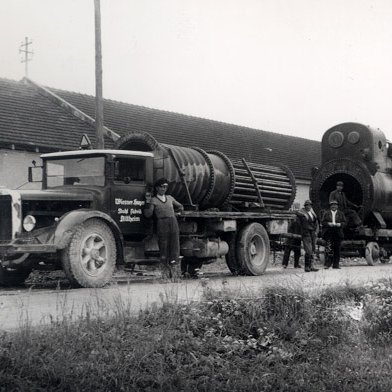
As early as 1938, Wiesner-Hager built its first combined heat and power plant on the company site, fuelled by wood waste from production. Since then, the company has been generating its own energy from biomass ever since. With its high overall efficiency, the system was highly advanced from the outset. To this day, these energy systems continue to make an important contribution to the company’s positive environmental performance.
THERESIA WIESNER AND KRESZENTIA HAGER
WOMEN IN LEADERSHIP
After the Second World War, many people from German-speaking communities in Transylvania and the Banat region were forced to leave their homes. Some found work at Wiesner-Hager. Having lost everything, they received generous support from the company to build new homes.
Theresia Wiesner, wife of Rudolf Wiesner and responsible for Payroll and personally looked after the concerns and needs of employees. This social commitment helped build long-standing loyalty among skilled employees and established the company’s reputation as a secure and reliable employer.
My Grandmother was tireless. The success of the business and the wellbeing of its employees were at the heart of everything she did. She was up every morning at 4 am, at church by 6 am and at the company by 7 am.
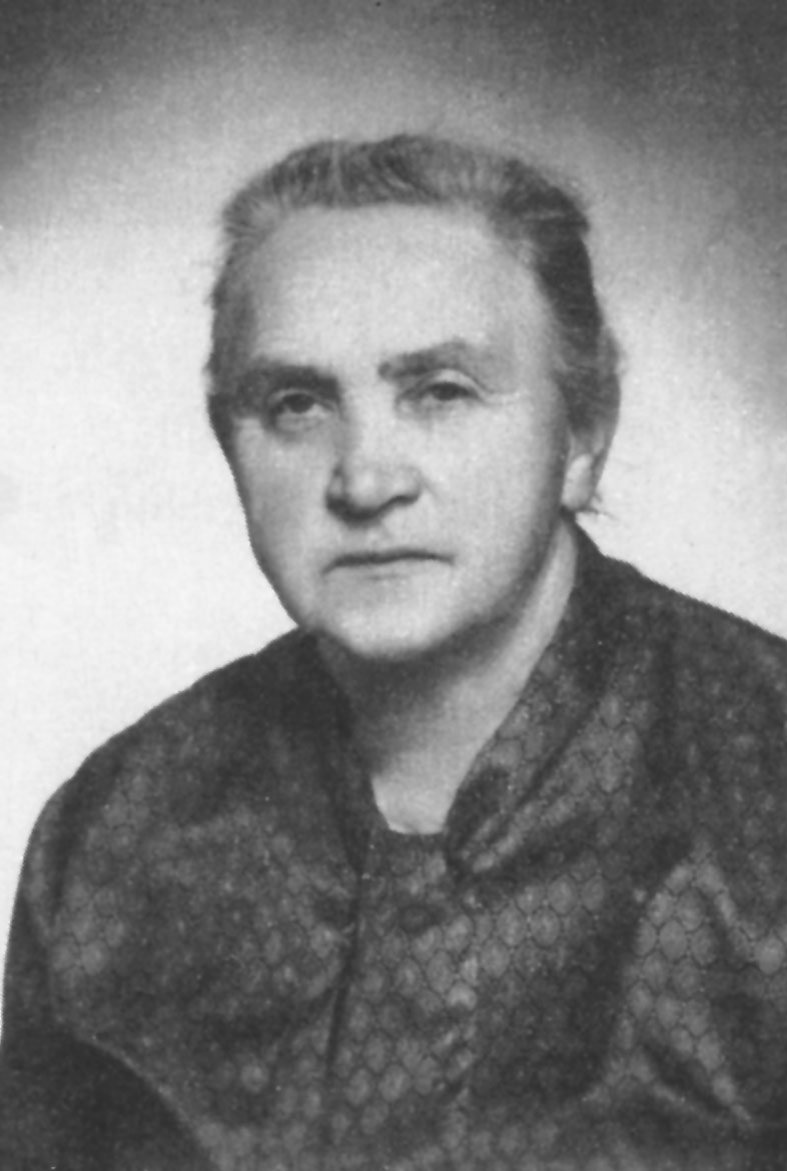
Another woman also took on a leadership role in the Third Generation. When Sebastian Hager died unexpectedly at a young age in 1944, his wife Kreszentia Hager took his place, becoming the company’s first female Partner. She had already worked in Customer Accounts for many years.
THE MOVE TO GLULAM CONSTRUCTION
INNOVATIVE STRUCTURES
In the mid-1950s, the enthusiasm of Erich Wiesner Sr, great-grandson of the Company Founder, led the carpentry business in new directions. Together with his university friend Max Hochreiner, who later became his brother-in-law, Erich embraced emerging techniques of glulam construction and continued to develop them.
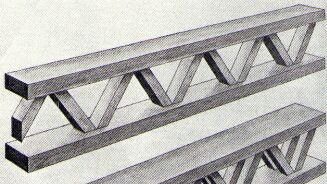
In 1953, WIEHAG acquired a licence to manufacture DSB beams. This new timber truss technology used less material and enabled longer spans. By 1957, WIEHAG was celebrating its 100th roof structure.
In 1958, WIEHAG began producing Kämpf web beams. The system used boards placed on edge in layers, offset by around 15 degrees and bonded together across their surfaces. It was an efficient use of timber, although very labour-intensive to produce.